Published on 2026-10-09 · Suzhou Industrial Park Gulin Commerce Co., Ltd.
When the weather turns cold, offices, shops, factories and hospital corridors tend to surface a few recurring problems at once: floors rising and blistering from moisture, entrance areas turning slippery from mud tracked in, and heating energy costs climbing sharply as soon as the AC is switched on. Rather than waiting for problems to emerge and dealing with them in a rush, select and inspect early along three lines - flooring, entrance and heating - before winter arrives.

Large indoor-outdoor temperature differences in winter mean humid air easily condenses on colder floors. If the substrate moisture content is too high or seams are poorly sealed, resilient materials such as PVC can blister and curl. Before winter, inspect old floors with focus on:
Winter brings frequent rain and snow; mud and water tracked in at entrances evaporate slowly, and a wet floor becomes slippery - this is where customer slip complaints most often occur in commercial spaces.
AC and heating equipment have been idle all summer; running them at full load on the first cold day is both costly and prone to faults.
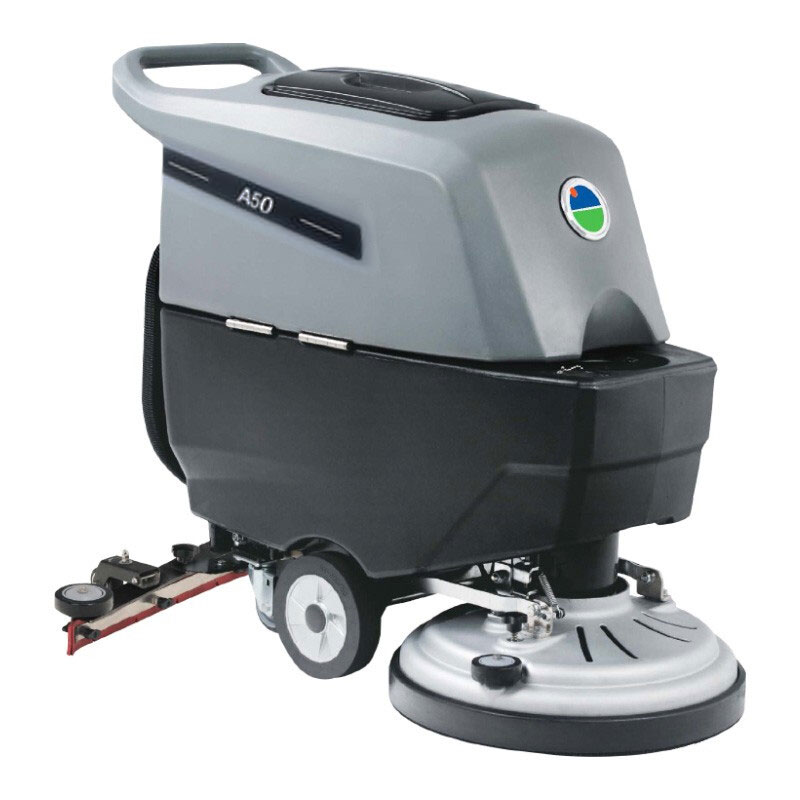
Early selection and inspection before winter essentially means spending a little to avoid frequent winter complaints. Tell us about your site conditions and we will help you pair flooring, entrance slip protection, commercial heating and cleaning equipment. Gulin Commerce supplies resilient flooring, commercial appliances and cleaning equipment as a one-stop package - call 0512-68114680.
FAQ
When indoor-outdoor temperature differences are large, humid air condenses easily on colder floors. With reduced winter ventilation, if the substrate moisture content is high or seams are poorly handled, resilient flooring such as PVC can blister and curl.
Mud and water tracked in from winter rain and snow evaporate slowly; once the floor holds standing water, its friction coefficient drops. Lay absorbent, dust-removing mats at main entrances and keep entrance areas cleaned promptly.
Resilient flooring feels warmer underfoot, is not cold to step on, and offers some slip resistance, so it usually outperforms hard tile in winter in offices, hospitals, schools and shops. The exact choice still depends on foot traffic and use case.
Clean the filter before starting, raise the temperature in steps, and avoid running at full load from the start. For AC not used for a long time, listen for unusual noises or smells on the first start.
Focus on entrances, corridors and restroom surroundings for curling edges, blistering and separated seams, and check whether mats are worn. Repair issues locally early, so winter moisture does not seep through gaps and spread the damage.
