Published on 2026-10-13 · Suzhou Industrial Park Gulin Commerce Co., Ltd.
If a commercial space is covered entirely with hard flooring, corridors echo, lobbies feel cold and meeting areas lack atmosphere; if it is all carpet, traffic routes get dirty, are hard to clean and wear quickly. Pairing the two by functional zone is the most common approach in commercial floor design: use wear-resistant materials where the floor takes traffic, quiet materials where people stay, and easy-to-clean materials where hygiene matters.
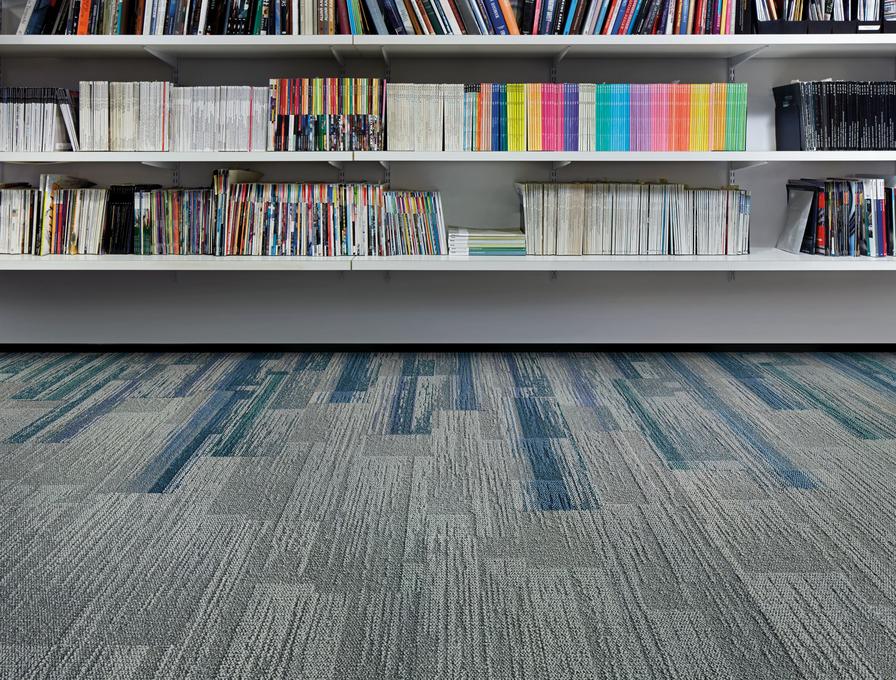
Start by dividing the space according to traffic flow and usage intensity, then decide the material for each area:
| Area | Recommended Material | Why |
|---|---|---|
| Lobby, front desk | Carpet tiles + stone/flooring transition | First impression - carpet adds a quality feel; hard materials at entrances resist dirt and wear |
| Meeting, negotiation rooms | Broadloom or carpet tiles | Sound absorption and quiet underfoot improve meeting focus |
| Office, open workstations | Carpet tiles | Quiet walking, single-tile replacement, easy access to floor cabling |
| Corridors, elevator lobbies, pantries | Resilient flooring | Heavy traffic with water and mud - hard materials clean easily and resist pressure |
| Server rooms, equipment rooms | Anti-static flooring | Conductive and static-protective, protects equipment |
Compared with broadloom, carpet tiles (commonly 50cm x 50cm) offer real advantages in commercial spaces: a stained or damaged tile is replaced individually instead of lifting the whole floor; floor cabling slots are easy to access and workstation changes do not damage the carpet; and colors and patterns can be freely combined to create brand marks and zone colors.
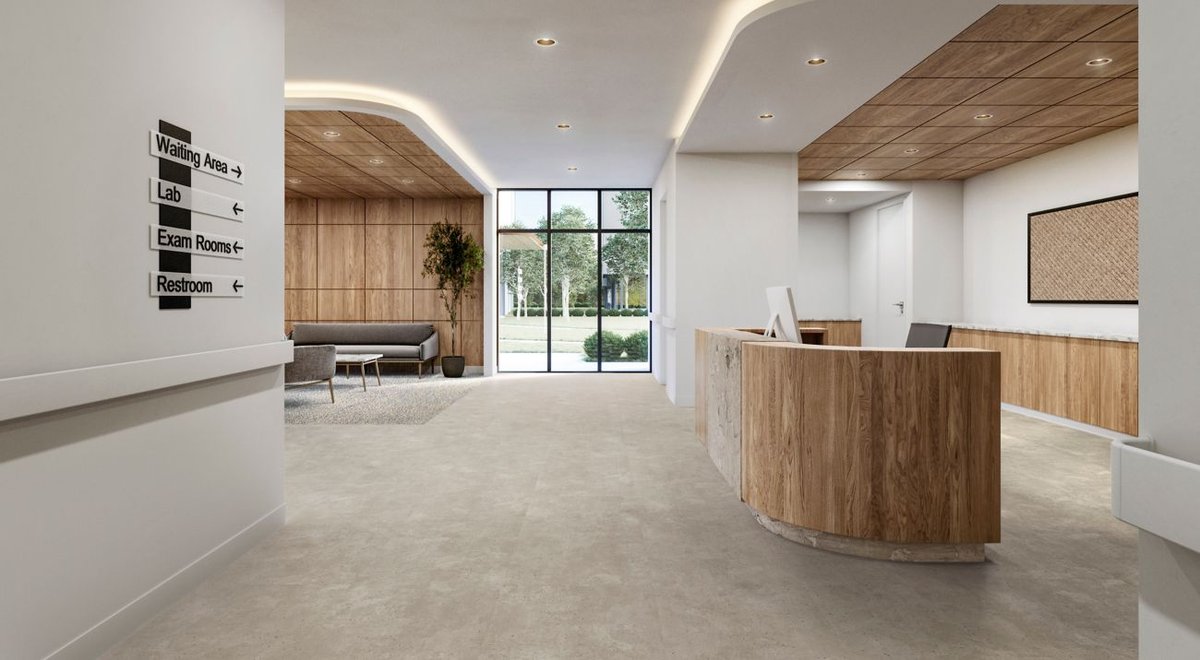
If carpet and flooring differ too much in color, the space looks fragmented. Remember three points when pairing: take a carpet shade adjacent to the space's main color and one tone darker than the flooring; use no more than two main colors; and press dedicated transition strips firmly at the edges to prevent curling, tripping and dust accumulation.
Carpet wins on sound absorption and atmosphere; flooring wins on easy upkeep - long-term maintenance costs should be counted together: carpet needs regular vacuuming and spot cleaning, and carpet tiles win because a damaged tile is simply replaced individually; resilient flooring only needs daily mopping. On tight budgets, use resilient flooring on traffic routes and carpet tiles in rest areas - spend money where customers can see it.
There is no standard answer for commercial floor pairing - what matters is usage intensity, budget and maintenance capacity. Gulin Commerce supplies resilient flooring and carpet from brands including Armstrong, Gerflor, Interface, Milliken and Shaw, with one-stop selection, quotation, installation and maintenance. Call 0512-68114680.
FAQ
The basic rule is hard flooring on traffic routes and carpet in rest areas: areas where people stay and need quiet and atmosphere - front desks, meeting rooms and negotiation areas - use carpet tiles; corridors, elevator lobbies and pantries with heavy traffic and dirt use flooring or resilient materials that are easy to clean, wear-resistant and pressure-resistant.
Carpet tiles (e.g. Interface, Milliken) allow single-tile replacement and easy cable access, ideal for offices and commercial spaces that need long-term maintenance; broadloom gives a stronger overall look and a uniform feel, but local damage requires replacing the whole area. Prefer carpet tiles in office areas; consider broadloom where a unified atmosphere matters, such as negotiation rooms.
For color, take a shade adjacent to the space's main color and one tone darker than the flooring to avoid visual fragmentation from large differences; use dedicated transition strips or nosings at the edges, pressed firmly, to prevent curling, tripping and dust accumulation. The base must be flat and dry during installation, and all seams and edges need to be fixed with strips.
